
Medium
Does the Universe Have an Edge?
How far does space really go, and why the “edge” of the universe may be nothing like we imagine. Continue reading on Medium »
12 Oct 2026
152 articles from Medium, Phys.org, Space.com and more. Refreshed every few hours.
How far does space really go, and why the “edge” of the universe may be nothing like we imagine. Continue reading on Medium »
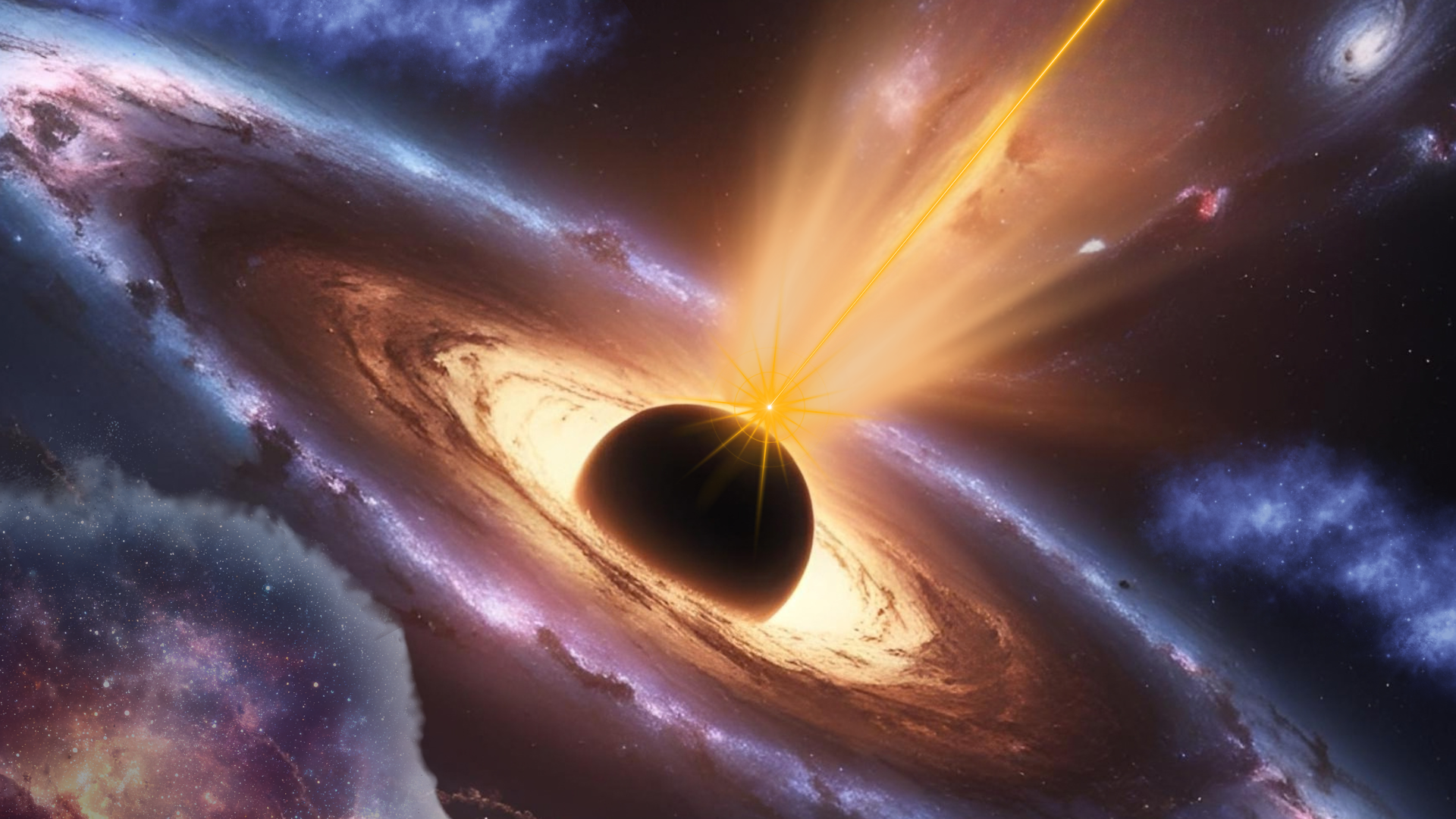
Using the NASA spacecraft Swift, astronomers observed a supermassive black hole burping radio jets 300 days after a heavy cosmic meal.
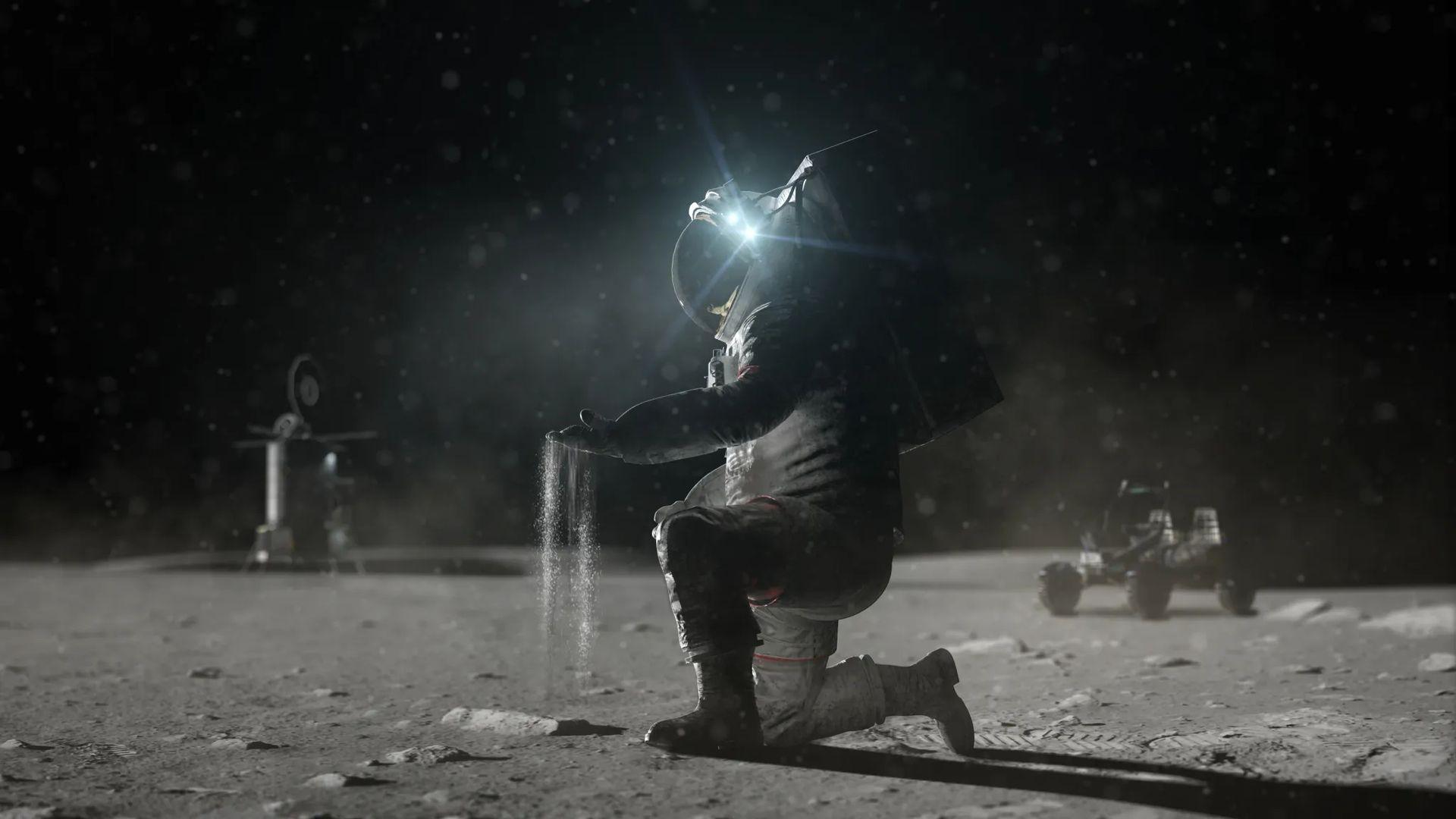
NASA is asking for ideas to stop static electricity from zapping astronauts or critical hardware during moon missions.

For many years, the simplest view of dark energy has been that it remains unchanged. Throughout cosmic history, the mysterious ingredient believed to drive the universe's accelerated expansion is thought to have behaved in the same way at every epoch. However, an increasing number of observations are challenging this idea.

When Belgian American particle physicist Francis Halzen was awarded the 2026 Nobel Prize in physics "for decisive contributions to the IceCube Neutrino Observatory and the discovery of high-energy neutrinos of astrophysical origin," it was a reminder that for more than a century, scientists have treated Antarctica's environments as windows onto worlds beyond Earth.

A white dwarf, a pair of mirrored satellites and a black hole jet all reveal spin through what it drags along Continue reading on Medium »

From base to tip, Mars’s Olympus Mons is the highest known mountain in the Solar System. Evidence suggests a higher one could be out there. Continue reading on Starts With A Bang! »
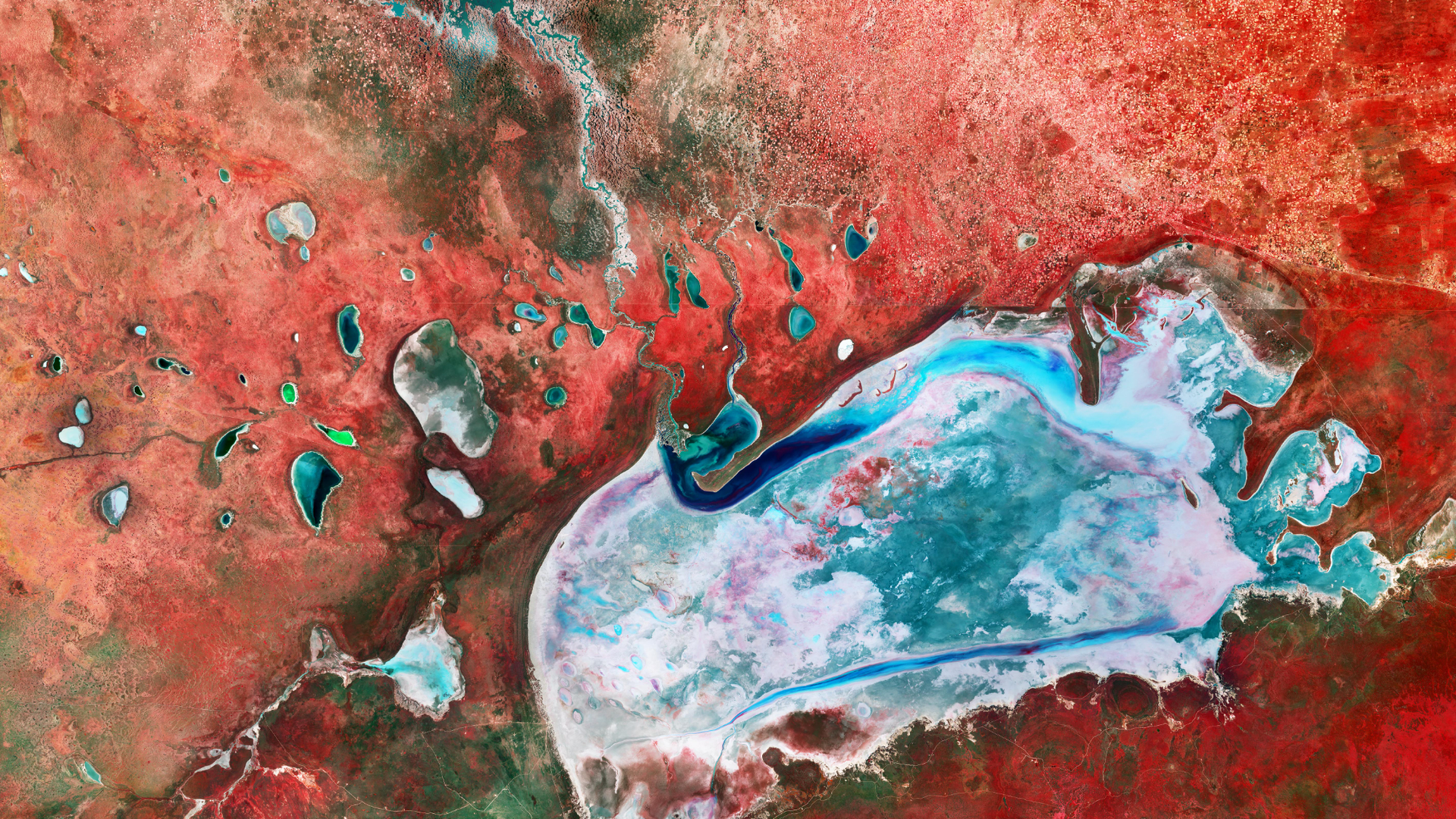
The Etosha Pan in northern Namibia, the largest salt flat in the country, looks otherworldly in this satellite photo.
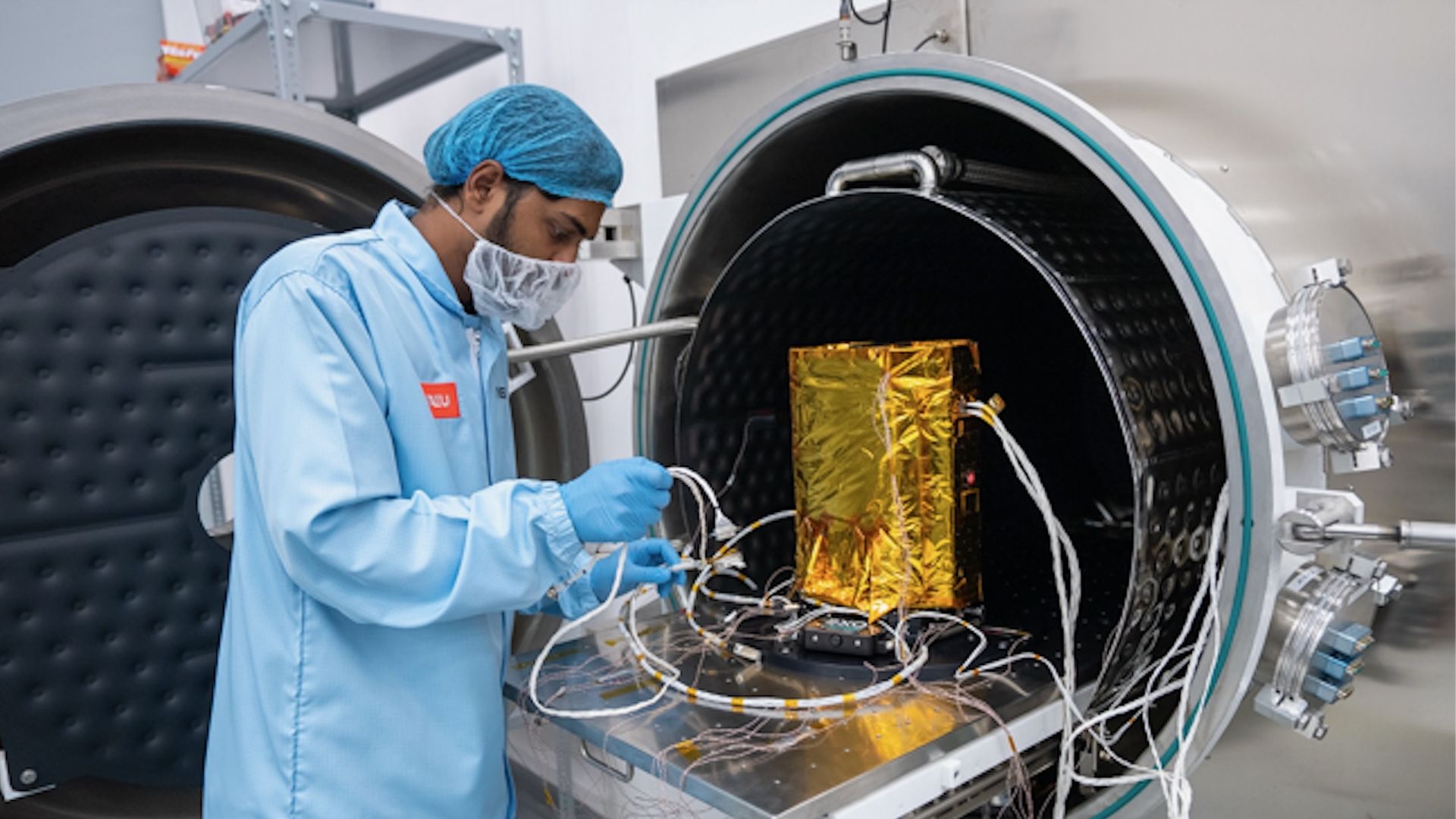
In March 2028, the UAE is set to launch an ambitious mission to the asteroid belt between Mars and Jupiter that will culminate with a landing attempt on a mysteriously reddish space rock.

What if gravity is more than a force or a curvature of spacetime? Continue reading on Medium »
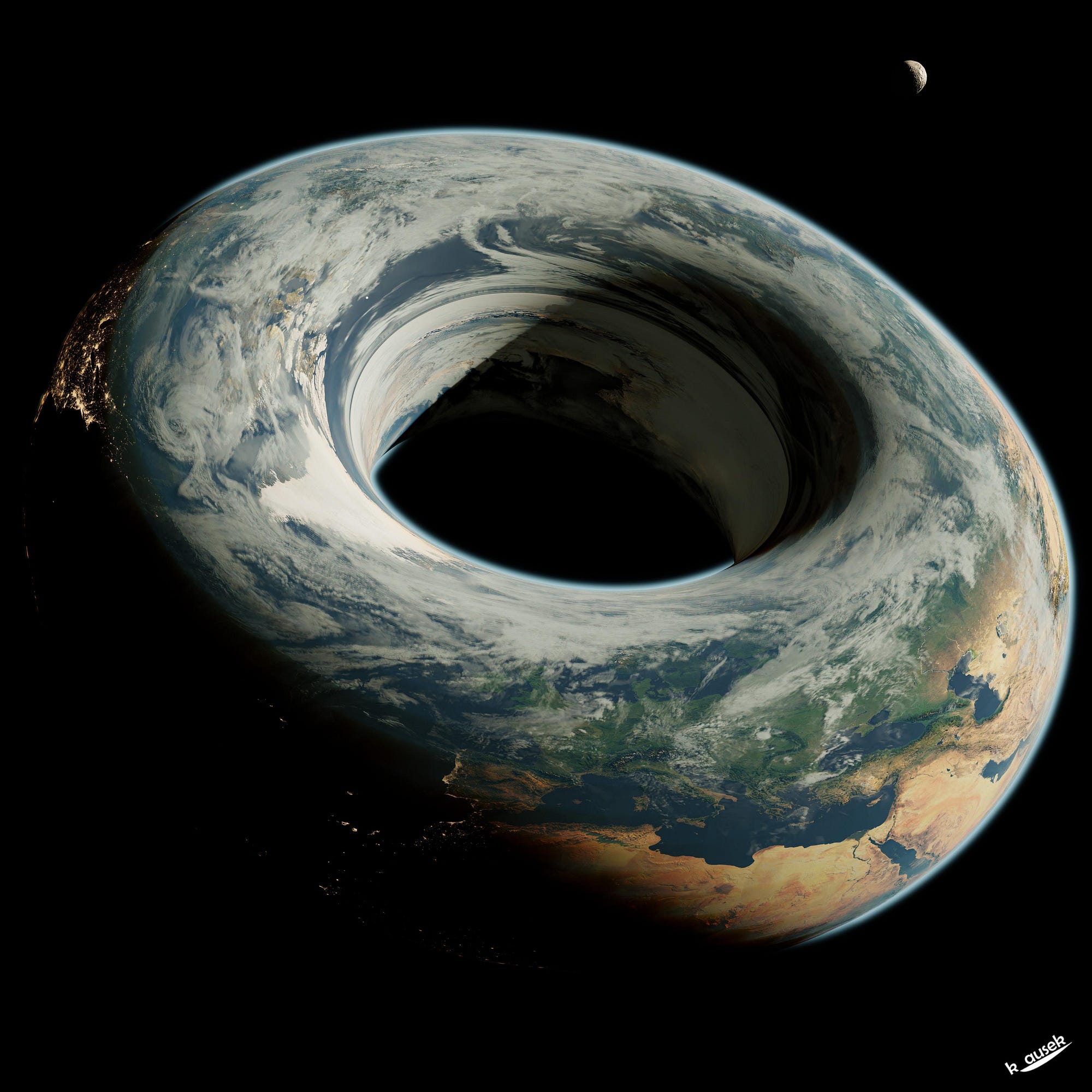
Toroidal planets, shaped like doughnuts, might exist, and Earth itself might have had a similar shape for a short time. Continue reading on Medium »

You know the Doppler effect, when a screaming siren has a different pitch when it approaches vs. when it recedes? That’s how the exoplanet… Continue reading on Medium »

Exoplanets Draugr, Poltergeist, and Phobetor, were the first ever discovered exoplanets, orbiting the pulsar Lich. Discovered in 1992 by… Continue reading on Medium »

1. Overview Before understanding MoM-BH-1* , we will first have to dive into black hole stars, the family of astronomical bodies which the… Continue reading on Medium »

Today I had planned on writing about Water Worlds; I picked two, Kepler-138 c and d. Their bulk density, that is their radii and mass… Continue reading on Medium »

NASA has taken the next step in the process of developing a new all-glass telescope for the LISA (Laser Interferometer Space Antenna) mission, a space observatory designed to detect ripples in space-time called gravitational waves.

When a dying star runs out of fuel and sheds its outer layers, its remaining core can become an approximately Earth-sized, extremely dense stellar remnant called a white dwarf. For a white dwarf that is not strongly rotating or magnetized, there is a well-known upper mass limit of about 1.4 times the mass of the sun, known as the Chandrasekhar limit.

How the revolutionary framework of Cosmological Fission and the Quantum Bounce reimagines gravitational collapse as the engine of cosmic… Continue reading on Medium »

One clip from San Antonio, one from an unknown location. Both show a purple light, and neither identifies itself. Continue reading on Medium »

Below is a transcript of my interview with Jesse Weber on NewsNation last night. Jesse’s questions are marked with JW and my answers with… Continue reading on Medium »

We have just discovered the third-ever interstellar object heading toward the Sun at about 60 km/s in a highly eccentric, hyperbolic orbit… Continue reading on Medium »

Gravastars are very real in science fiction books and computer games. In real life, they cannot be ruled out entirely yet, but there might… Continue reading on Medium »

Climate change and global warming are affecting a lot our planet, Earth, and humans don’t seem to realize the possible impact and… Continue reading on Medium »
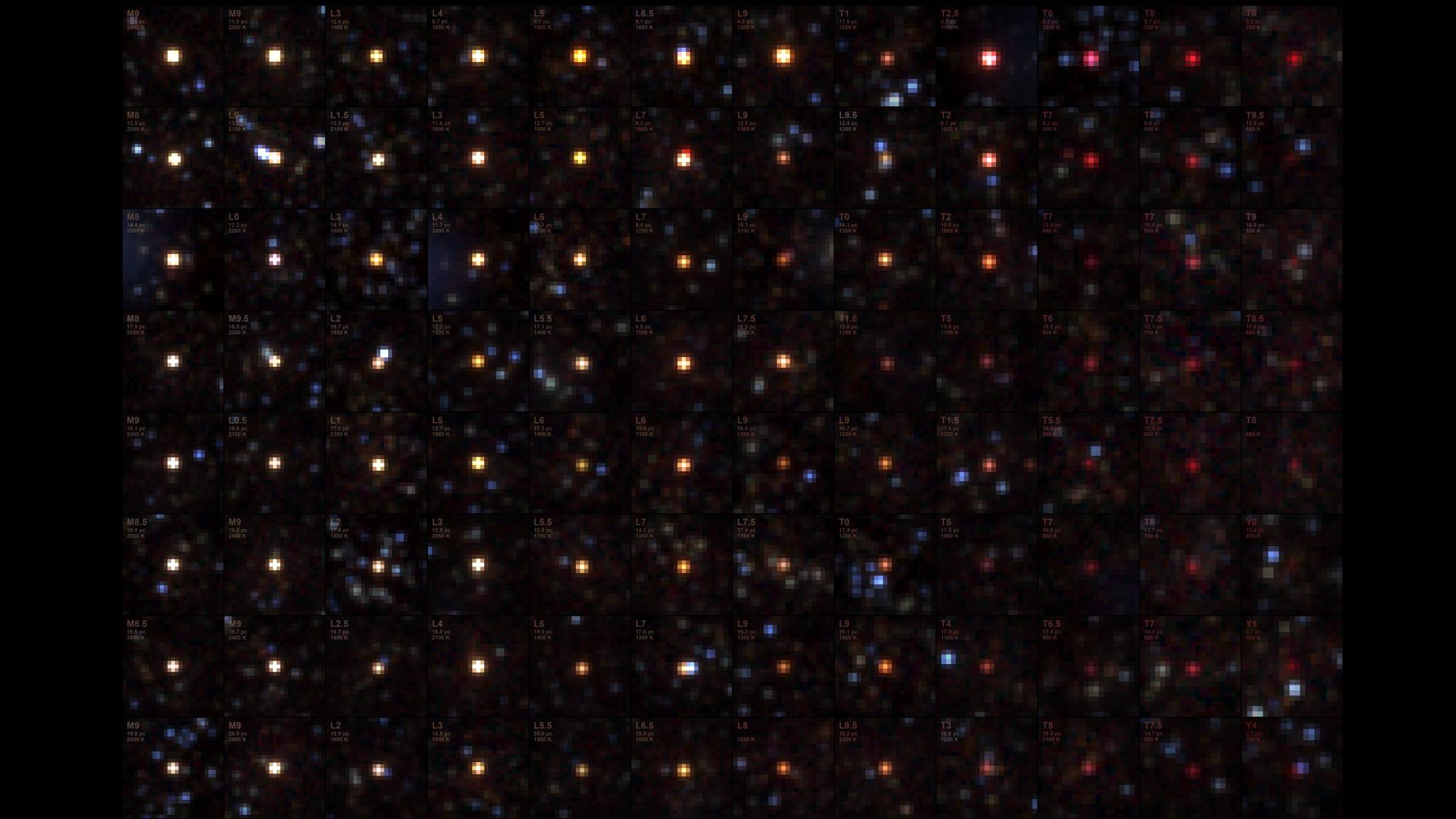
NASA’s SPHEREx (Spectro-Photometer for the History of the Universe, Epoch of Reionization, and Ices Explorer) space telescope is shedding light on brown dwarfs, celestial objects that blur the line between stars and exoplanets. New findings published in The Astrophysical Journal show that these dark and cloudy worlds have chemically rich atmospheres not unlike the giant […]
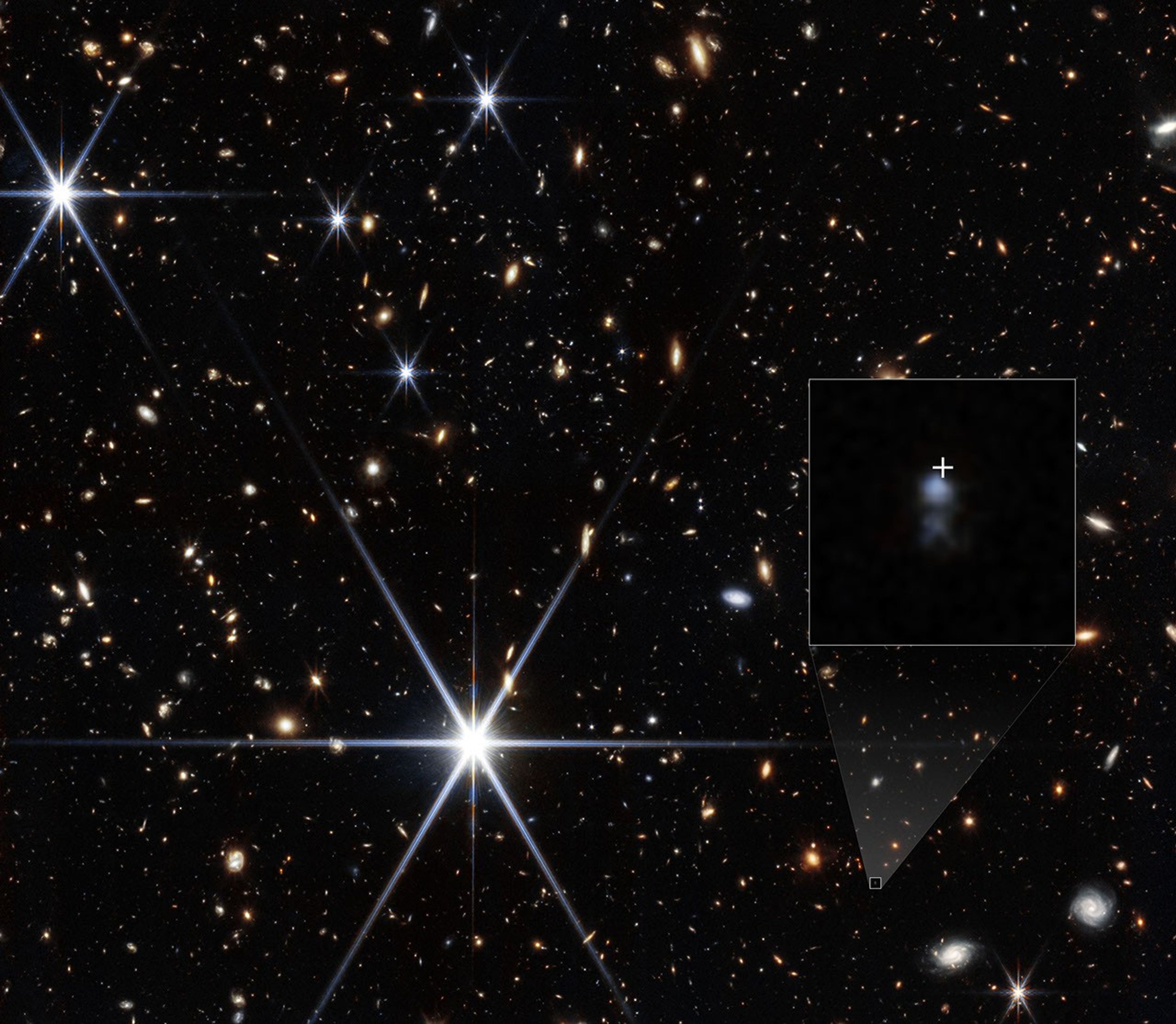
First discovered in 2007, fast radio bursts are enigmatic, millisecond-long flashes of radio emission from the distant universe. Their origin remains uncertain, particularly since most are seen once and never again. Astronomers using NASA’s James Webb Space Telescope have pinpointed the host galaxy of the most distant fast radio burst (FRB) seen to date. Their […]

A speculative theory about dying planets, interstellar life, and the possibility that humanity is part of a much larger cosmic cycle. Continue reading on Medium »
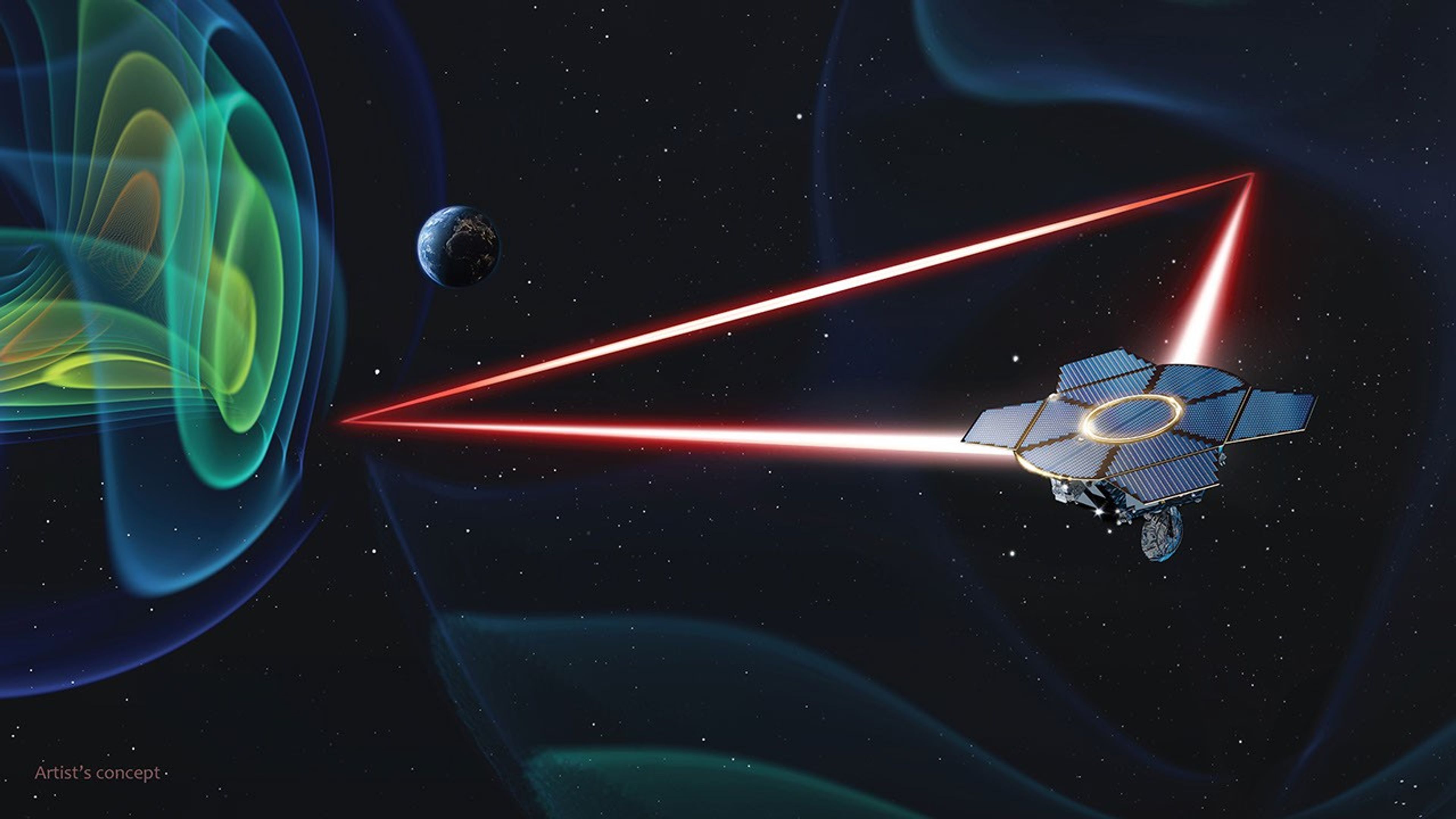
NASA has taken the next step in the process of developing a new all-glass telescope for the LISA (Laser Interferometer Space Antenna) mission, a space observatory designed to detect ripples in space-time called gravitational waves. L3Harris Technologies will design, assemble, and integrate the new telescope for NASA. Called the Engineering Test Unit, this contribution represents […]

The European Space Agency–led Solar Orbiter spacecraft has flown through an S-shaped kink known as a "switchback" in the solar wind's magnetic field. By fingerprinting the elusive particles within the switchback, Solar Orbiter has traced its origin back to the sun's surface and revealed more about solar magnetism—the unruly instigator of dangerous solar storms.
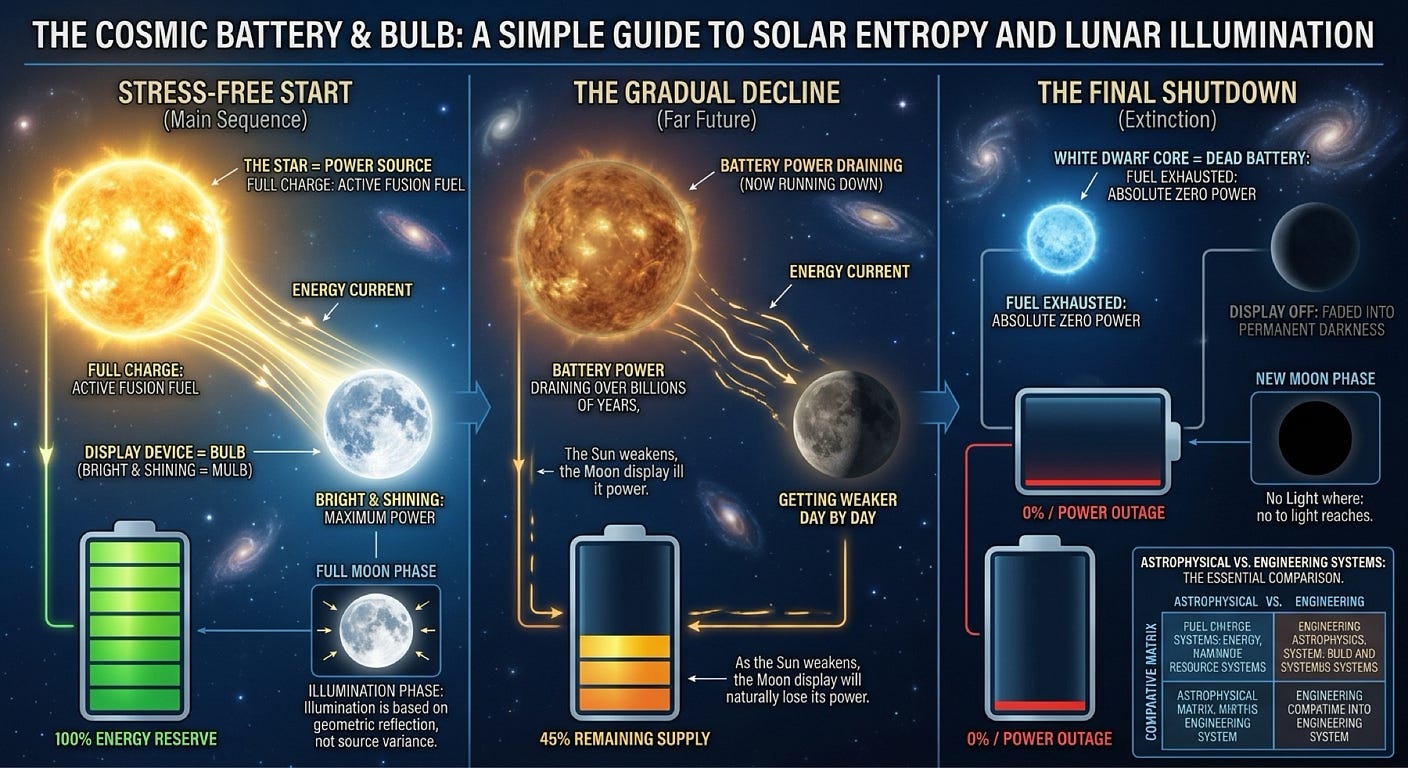
How everyday electronics can explain the long-term physics of stellar entropy. Continue reading on Medium »

How Francis Halzen and IceCube transformed elusive neutrinos into a new way of studying the cosmos. Continue reading on Medium »

Supermassive black holes are 100 times more powerful than previously believed. Continue reading on Medium »

Through the Universe | Chapter 3 Continue reading on Medium »

Allen Schnibben's interest in space started when he was a child. "I picked up some books about the solar system when I was in elementary school. In middle school, I got a telescope and I started observing the night sky as a hobby," said Schnibben, a computer scientist at Sandia National Laboratories. "My entire life, I've had an interest in space." Now, Schnibben collects data on satellites at Sandia's SOHBRIT facility, a 12-foot-wide (3.7-meter-wide) observatory.

Citizen observations from 2011–2022 revealed a change in star visibility equivalent to average annual sky brightening of 9.6%. Light… Continue reading on Medium »

The NASA/ESA/CSA James Webb Space Telescope has unveiled numerous stars formerly hidden by clouds of dust in a stellar nursery known as NGC 7129—a cauldron of cosmic creation, 3,300 light-years from Earth. Webb captured infrared light, which pierces through the dense matter that scatters or absorbs other types of light. This region, rife with stellar objects in different stages of their lives, offers an opportunity to explore how stars shape their surroundings.

Astronomers have observed the longest-lasting central engine activity ever recorded from a gamma-ray burst. The burst occurred at a redshift of 0.8577, and the activity lasted about 27 days in the burst's own rest frame—around 20 days longer than the previous record. The paper, posted to the arXiv preprint server on Sept. 18, explores different mechanisms that could be powering this puzzling burst.

A galaxy without dark matter, NGC 1052-DF2, may be the strongest sign that dark matter is real. Continue reading on Medium »
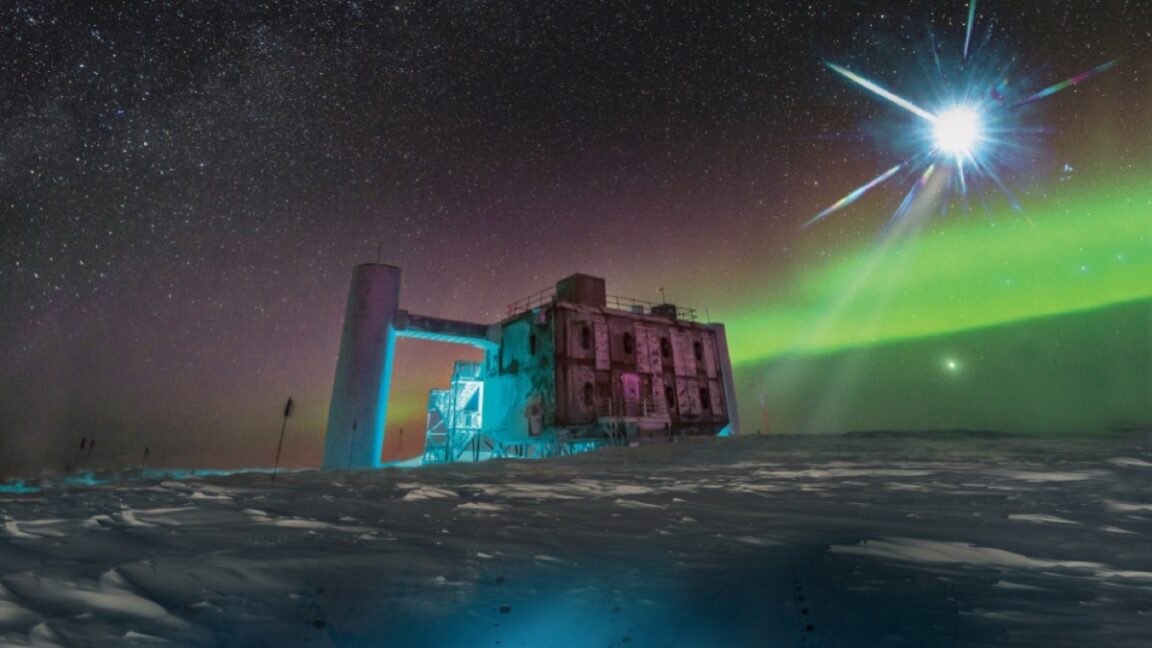
Francis Halzen of University of Wisconsin-Madison led development of IceCube Neutrino Observatory.

Did you know that time moves slower on your feet than your head! Continue reading on Medium »

After returning to Earth, Ron Garan saw humanity; and our priorities; in a completely different way. Continue reading on Write A Catalyst »

Is studying the universe a separate discipline, or is it simply science with a bigger lens? Continue reading on Medium »

Galactic black holes are cosmic mitochondria, powerhouses of the universe. Most of the energy these supermassive black holes produce comes from the material surrounding them: superheated plasma in their accretion disks interacting with tremendous magnetic fields. But there is a more direct way to extract energy from a black hole. It's known as the Penrose process, and a new study asks whether we could discover a signature of this process.

The universe may be trapped in its own comfort zone, and a researcher in the College of Engineering and Computer Science has helped explain why it cannot seem to leave. A new study suggests the universe could be locked into its current state by the same kinds of quantum effects that scientists study when trying to preserve fragile information inside a quantum computer.

The Distorting Fabric of Space by Aydanur Polatel Continue reading on Medium »

Deep space travel comes with a huge potential downside—radiation exposure that can kill an astronaut either quickly or slowly over time if not managed correctly. But what exactly does that mean, and is there any way to handle it other than sticking more and more protective layers between the squishy biological systems inside a spacecraft and the radiative void of deep space?

Primordial black holes (PBHs) don't exist as far as we know. But if they did, these hypothetical objects would have formed in the early universe rather than from dying stars, and they may even make up dark matter. That's not the end of the weirdness. Their formation could have been even stranger if it occurred in a universe with a dark dimension, which is another theoretical construct. It posits that our space includes a hidden extra spatial dimension.

There are two careful ways of measuring how fast the universe is expanding which give two different answers. Till date nobody has found… Continue reading on Medium »
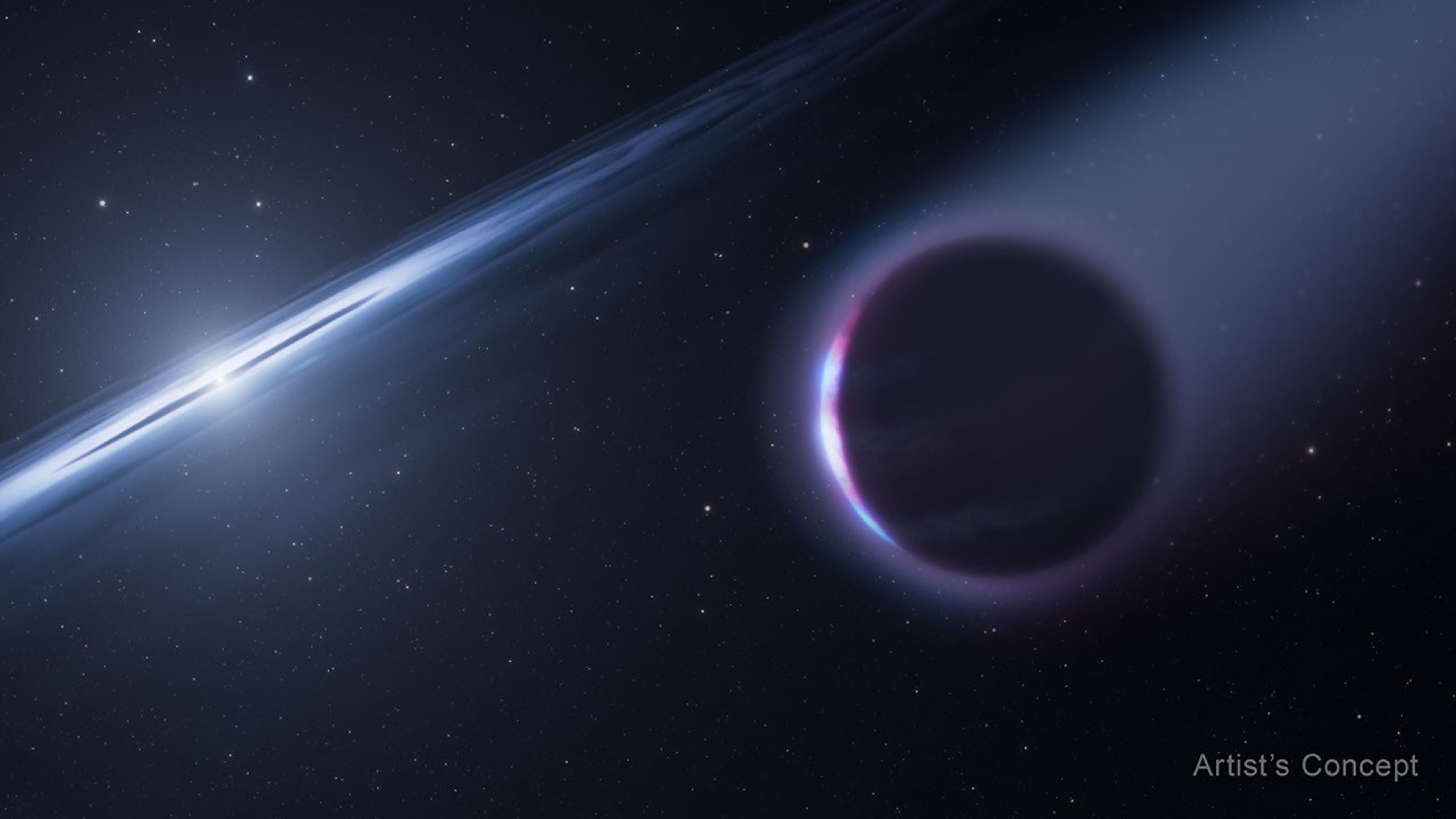
New analysis of archival Hubble data points to the possibility of “dead” white dwarf stars hosting second-generation planetary systems.
Free for your first hundred saves. No card needed.