
Medium
Does the Universe Have an Edge?
How far does space really go, and why the “edge” of the universe may be nothing like we imagine. Continue reading on Medium »
12 Oct 2026
81 articles from Medium, Towards Data Science, Quanta Magazine and more. Refreshed every few hours.
How far does space really go, and why the “edge” of the universe may be nothing like we imagine. Continue reading on Medium »

A white dwarf, a pair of mirrored satellites and a black hole jet all reveal spin through what it drags along Continue reading on Medium »

What if gravity is more than a force or a curvature of spacetime? Continue reading on Medium »

Photo by Graham Holtshausen on Unsplash Continue reading on Bouncin’ and Behavin’ Blogs »
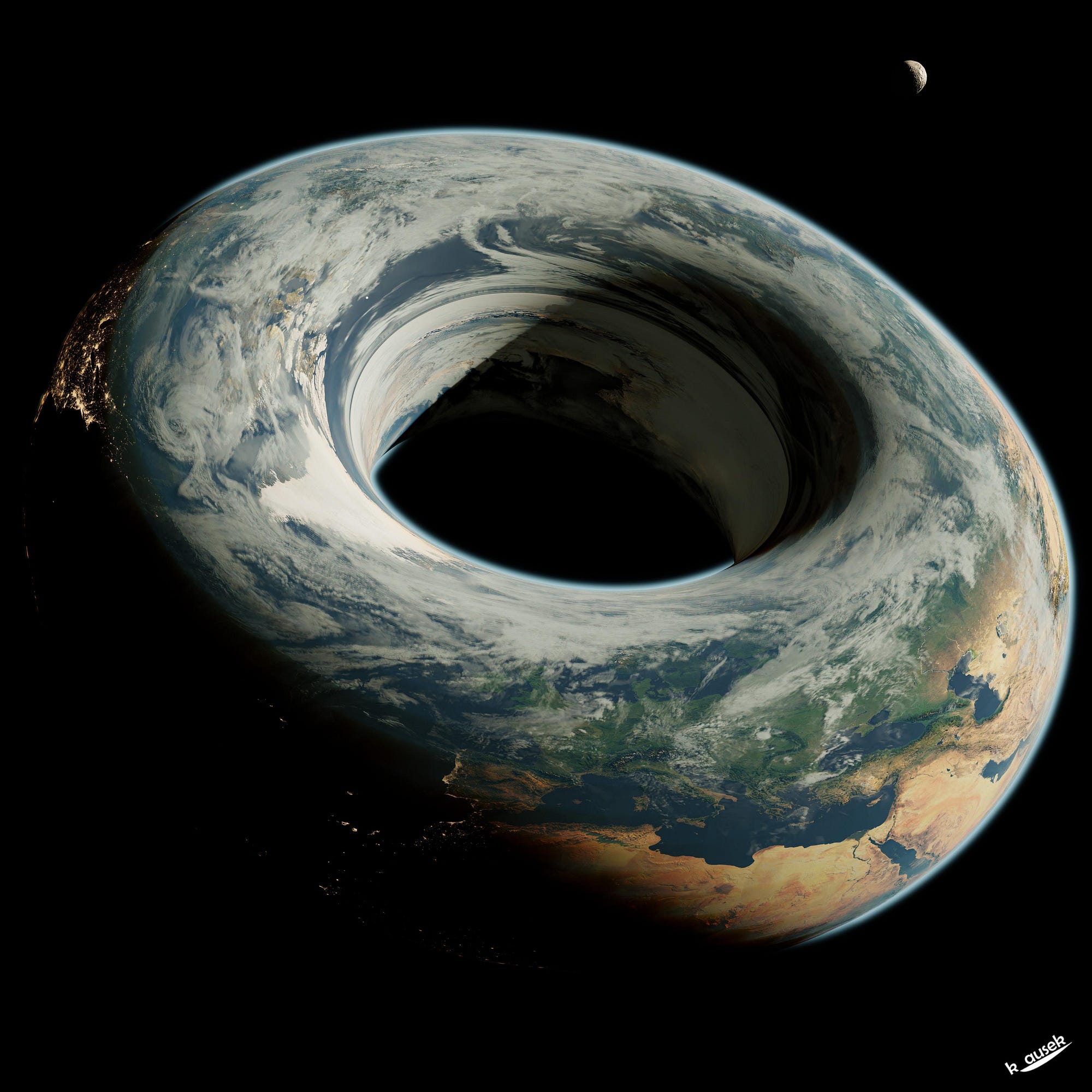
Toroidal planets, shaped like doughnuts, might exist, and Earth itself might have had a similar shape for a short time. Continue reading on Medium »

Ein Gedankenspiel über geometrische Baukästen, den kosmischen Formenschatz und einen Bang, der vielleicht kein Ende ist. Continue reading on Medium »
A thought experiment about geometric building blocks, the cosmic collection of forms, and a Bang that may not be an ending. Continue reading on Medium »

How the revolutionary framework of Cosmological Fission and the Quantum Bounce reimagines gravitational collapse as the engine of cosmic… Continue reading on Medium »

We have just discovered the third-ever interstellar object heading toward the Sun at about 60 km/s in a highly eccentric, hyperbolic orbit… Continue reading on Medium »

Gravastars are very real in science fiction books and computer games. In real life, they cannot be ruled out entirely yet, but there might… Continue reading on Medium »


On the 2026 Nobel Prize in Physics Continue reading on Predict »
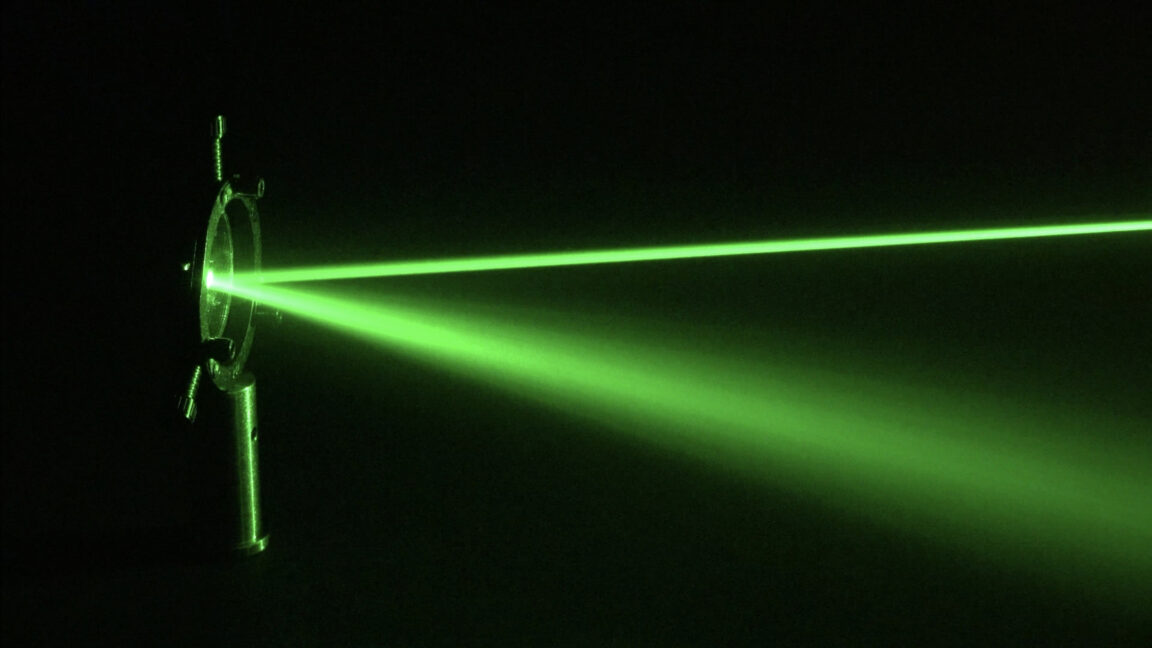
Getting a glass bead to act like a quantum object by entangling it with light.

Philosophy doesn’t compete with science, it makes scientific inquiry possible Continue reading on Medium »
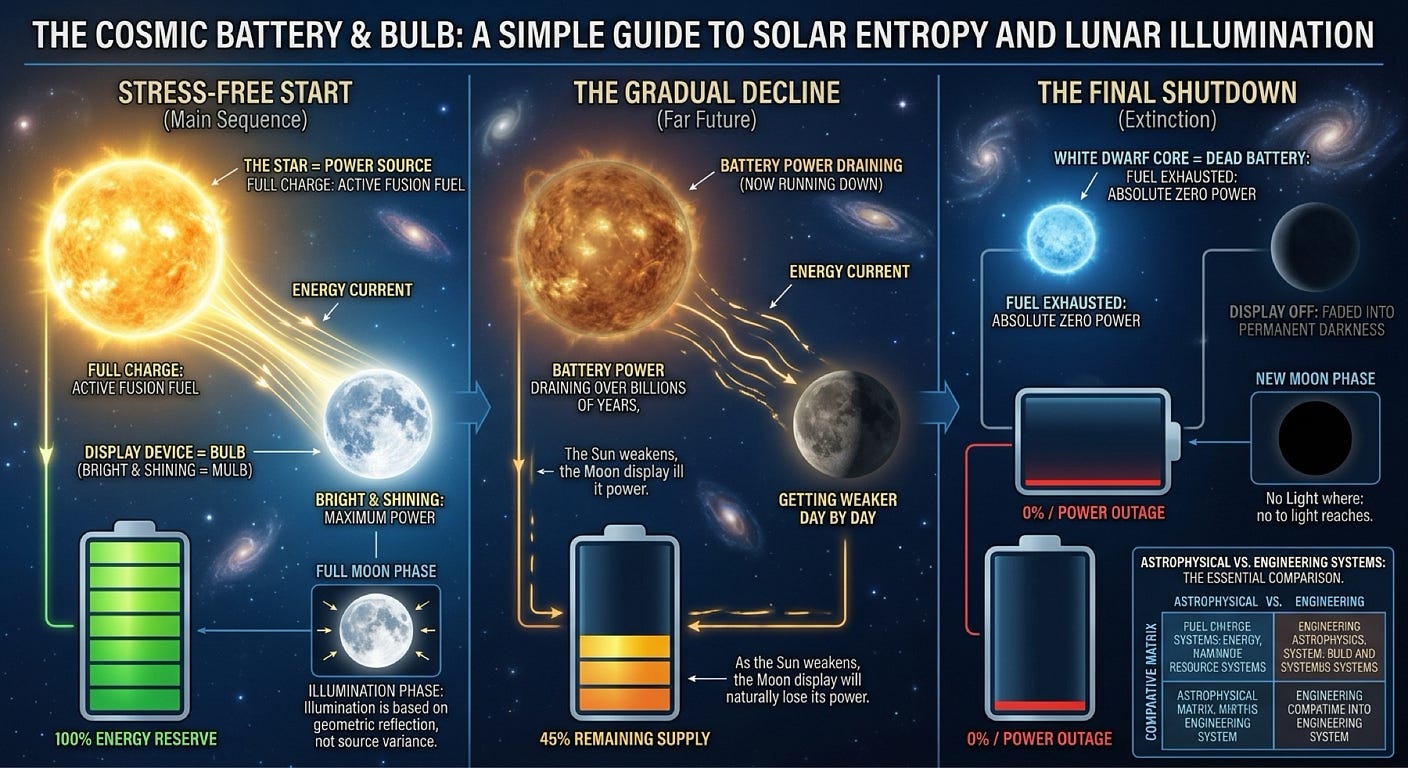
How everyday electronics can explain the long-term physics of stellar entropy. Continue reading on Medium »

How Francis Halzen and IceCube transformed elusive neutrinos into a new way of studying the cosmos. Continue reading on Medium »
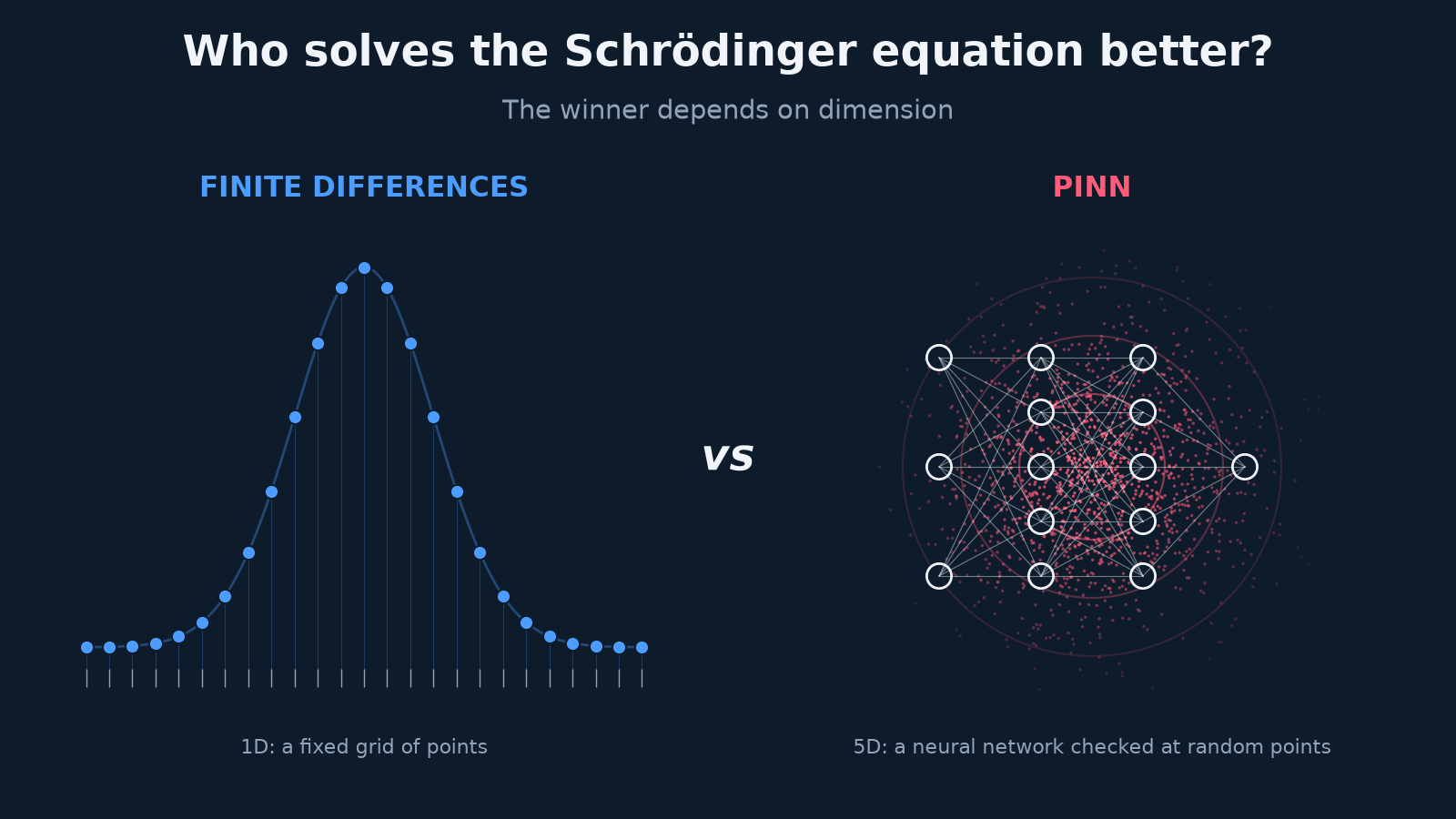
I put a physics-informed neural network up against a plain finite-difference solver twice: once in 1D and once in 5D. The winner changed. The post When Do PINNs Beat Classical Numerical Methods? A 1D vs 5D Experiment appeared first on Towards Data Science.

Supermassive black holes are 100 times more powerful than previously believed. Continue reading on Medium »

A galaxy without dark matter, NGC 1052-DF2, may be the strongest sign that dark matter is real. Continue reading on Medium »

Prank suspicions at 2 a.m., wrong numbers, and why the reactions we watch are often not the first Continue reading on Medium »

Episode 64 of “The Entanglement of Being” Continue reading on Medium »

Is studying the universe a separate discipline, or is it simply science with a bigger lens? Continue reading on Medium »

We’re told all the time of the miraculous discoveries of science and the mind blowing precision and rate of discovery. But… Compared to… Continue reading on Medium »

There are two careful ways of measuring how fast the universe is expanding which give two different answers. Till date nobody has found… Continue reading on Medium »
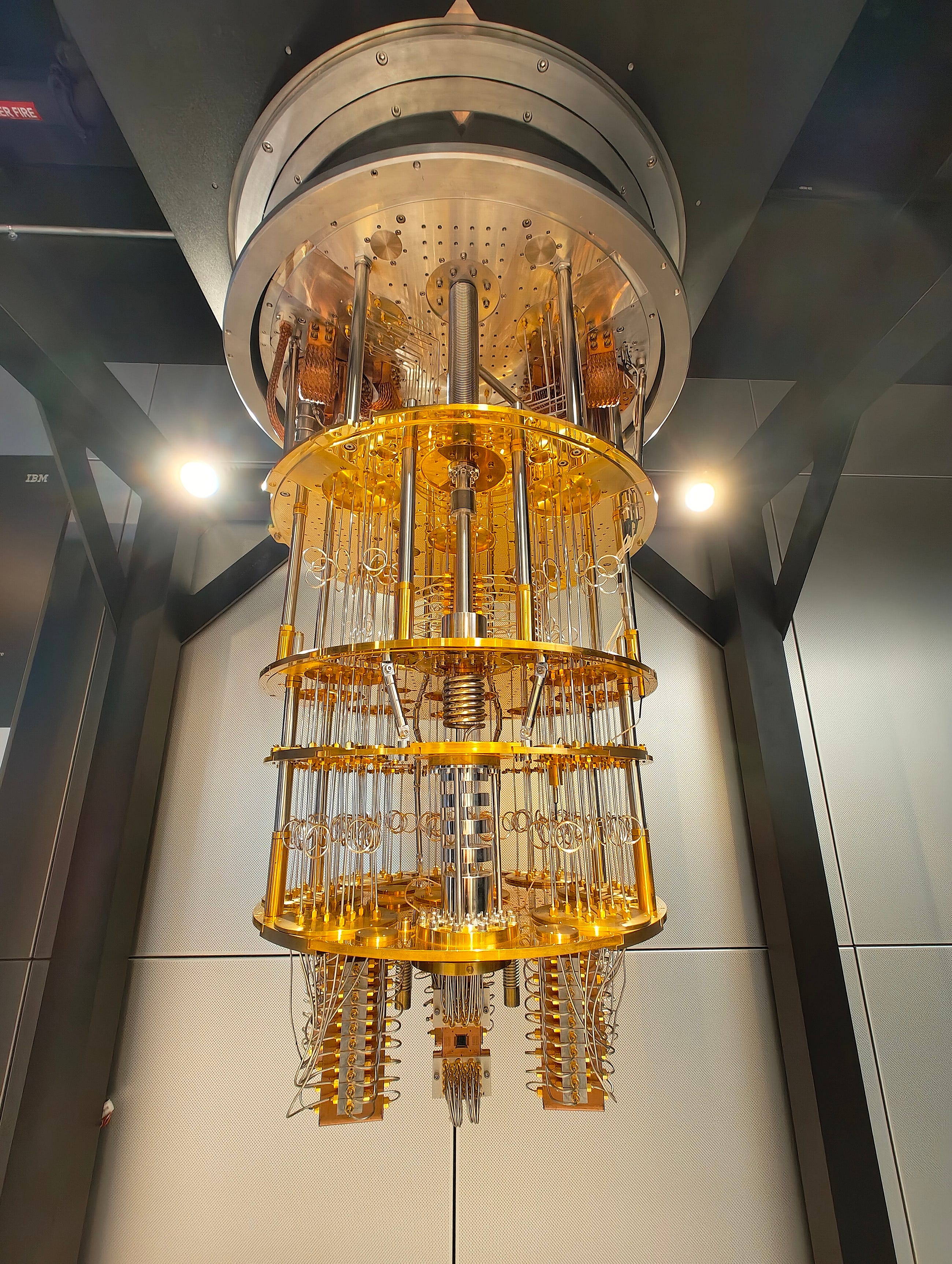
Whether Pierre Simon Laplace's notion of state, defining all past and future behavior of a deterministic system, or Max Born's quantum… Continue reading on The Quantastic Journal »
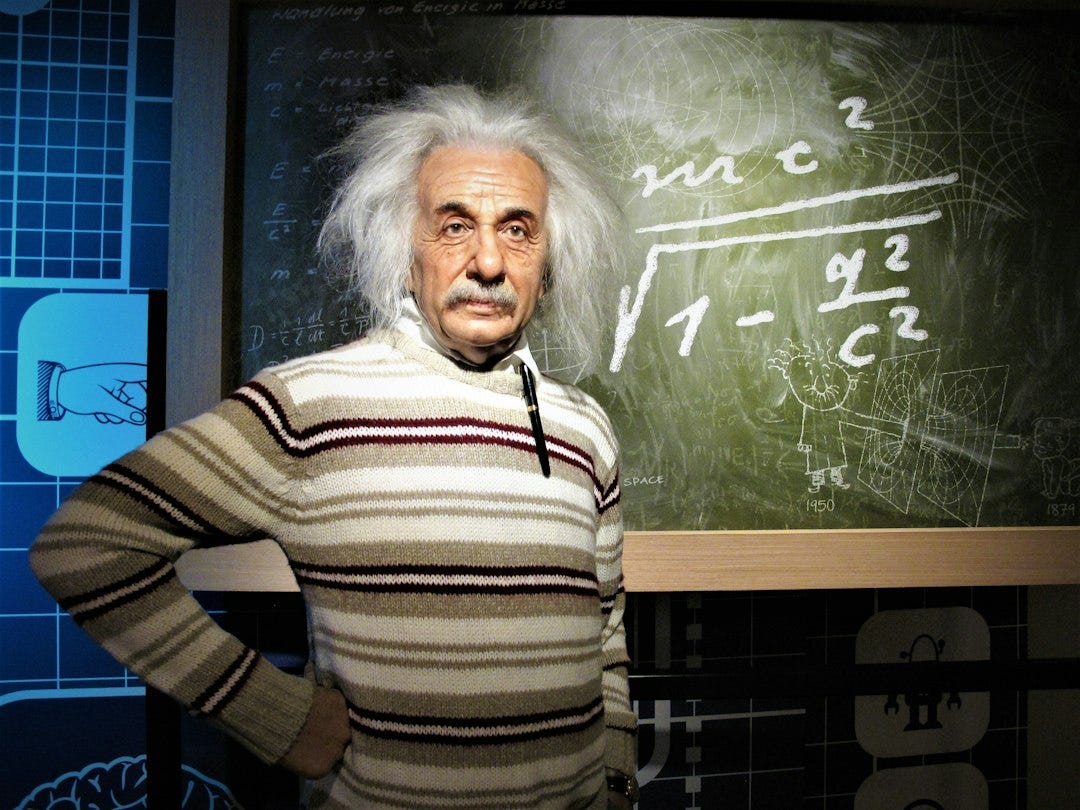
High School Physics - Newton and Beyond Continue reading on Infinite Library »

Sebuah perjalanan melintasi cahaya, ruang-waktu, dan waktu kosmis. Continue reading on Medium »
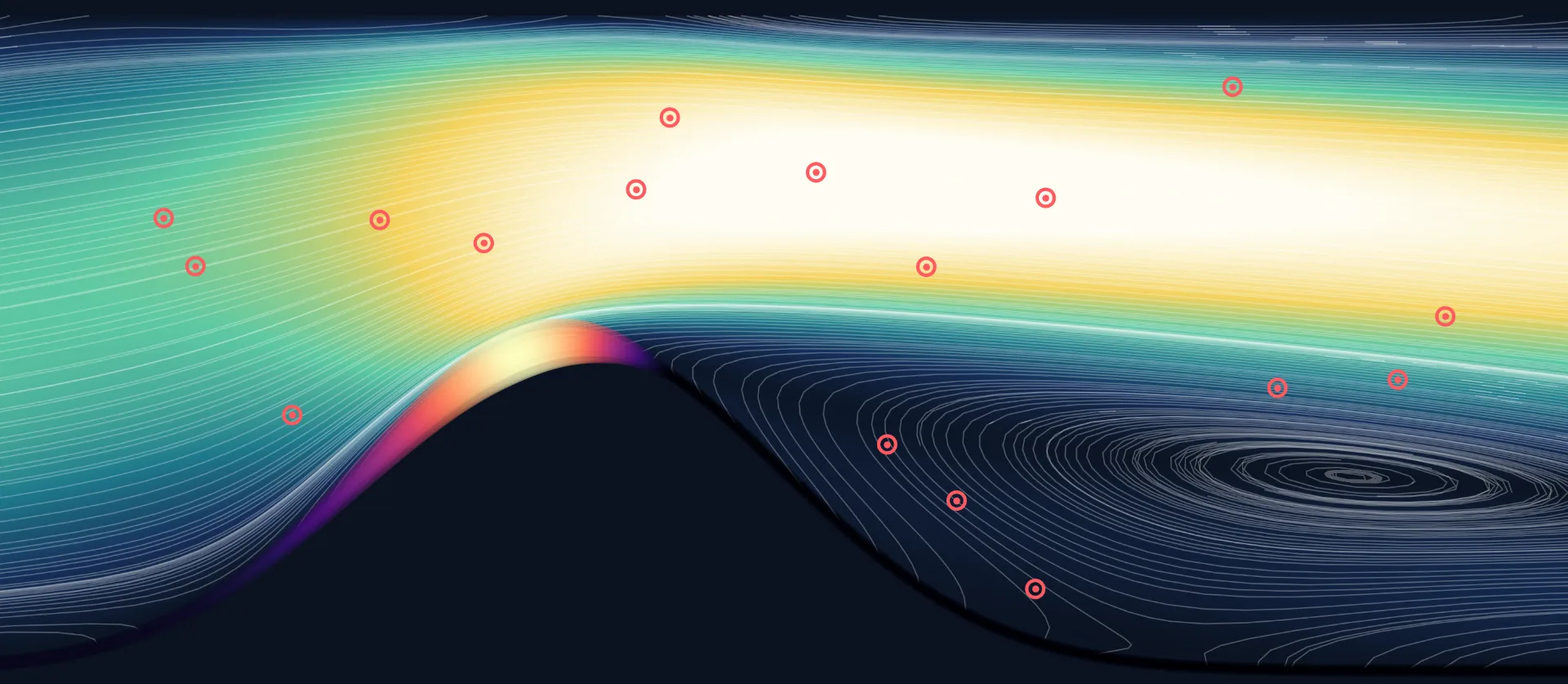
A from-scratch PyTorch build that recovers blood flow, viscosity, and wall shear stress in a narrowed artery from 40 noisy velocity readings The post How to Use a PINN for a Navier-Stokes Inverse Problem appeared first on Towards Data Science.

My Main Idea: Continue reading on Medium »

“A cat. A box. Both dead and alive.” Continue reading on Medium »
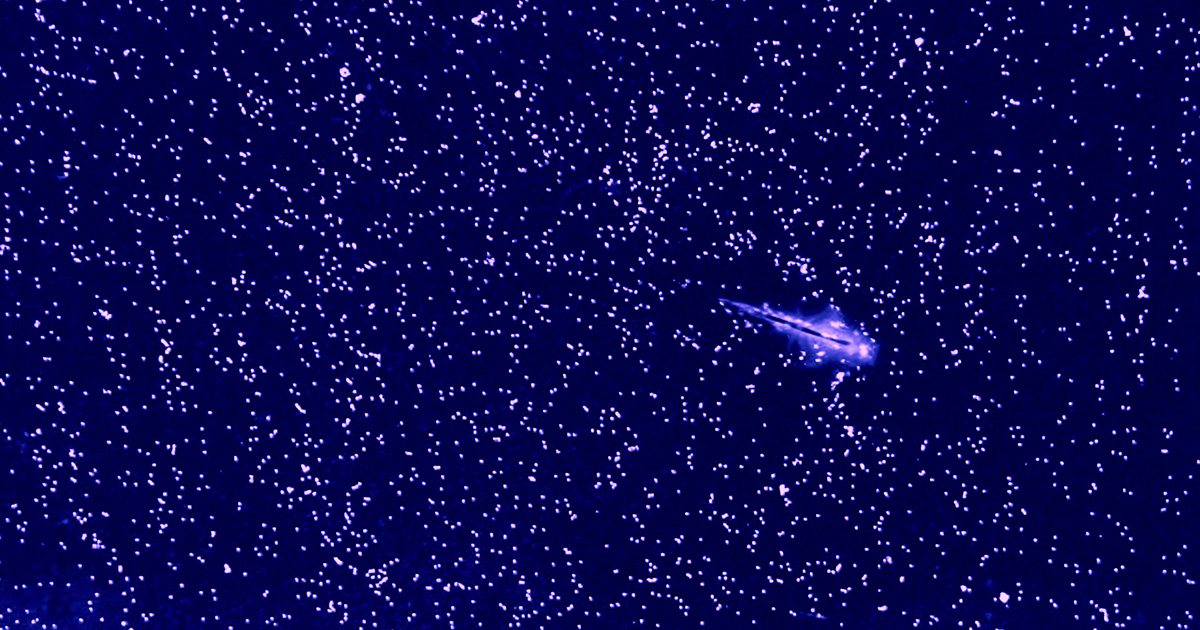
Scientists assumed that energy flows in only one direction in a turbulent system. What they didn’t know, until they looked closely at brine shrimp, was that a simple factor can reverse the flow. The post Sea Monkeys Show Scientists How To Rewrite a Rule of Turbulence first appeared on Quanta Magazine

If someone strikes a bell, it rings. The note tells us something about the bell: the size and what it is made of. Black holes ring too… Continue reading on Medium »

THE SYMPHONY OF THE SPHERES (Sun #89) Continue reading on Medium »

Have you ever wondered how we see planets outside our own solar system? Distant worlds light-years away… Continue reading on Big Science at STFC »

The streets of Sydney were alive with an unprecedented kind of energy. If a casual observer were to look out their window, they might have… Continue reading on Medium »

What lies beyond the edge of everything we can see? Continue reading on Medium »

A strange proposal in physics says the Big Bang may be a mirror, not a beginning. On the other side, time wouldn’t feel backward at all. Continue reading on Medium »

Continue reading on Medium »

Pattern Field Theory and the Architecture Beneath Physics Continue reading on Medium »

How Pattern Field Theory Derives Gravity from the Construction of Physical Reality Continue reading on Medium »

Sebuah perjalanan melintasi cahaya, ruang-waktu, dan waktu kosmis. Continue reading on Medium »

Blanets are worlds that orbit black holes. We don’t know of any yet, and everything that can be said about them can only be intuitive and… Continue reading on Medium »

You jump, you come back down. Always. Every time. I asked an AI to explain why things don’t just float away, and what I expected was a… Continue reading on Medium »

From invisible waves and strange patterns to dreams, déjà vu, distant civilizations, and the possibility of time itself being stranger… Continue reading on Medium »
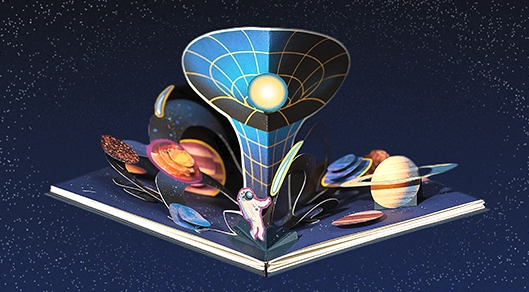
The biggest breakthrough in modern theoretical physics is the discovery that gravity can collapse the dimensions of space. Physicists don’t yet understand the implications. The post Gravity Seems Holographic. What Does That Mean for Reality? first appeared on Quanta Magazine

299,792,458 meters per second isn’t just a number, it’s the speed of light. Continue reading on Medium »
The previous chapter did not fully cover real-world physics and dimensions. This chapter mainly discusses the constant k. There are… Continue reading on Medium »
Free for your first hundred saves. No card needed.