
Medium
Poetic Algorithms
When minimal instructions generate endless possibilities, the boundary between creative openness and epistemological risk begins to blur. Continue reading on Medium »
13 Oct 2026
226 articles from Medium, The New Stack, Towards Data Science and more. Refreshed every few hours.
When minimal instructions generate endless possibilities, the boundary between creative openness and epistemological risk begins to blur. Continue reading on Medium »

Adobe charged him cancellation fees more than once. So he decided to build his own alternatives. Continue reading on Medium »
When AI agents can do the research and the first draft, the hardest problem on a technical team is no longer the work. It is who gets to… Continue reading on Medium »

OpenCode 2.0 is getting a formal unpacking today, some three months after its public beta launch. The sizable architectural upgrade The post “A major overhaul”: OpenCode 2.0 puts its terminal, desktop, and web apps on one shared service appeared first on The New Stack.


Build-or-buy is usually framed as an engineering trade-off, where developer time is weighed against integration and migration overhead, and control The post Coding agents made building easy. Platform teams that build from scratch are 3.5x more likely to lack a strategy. appeared first on The New Stack.

Imagine an AI agent that helps a sales team manage customer enquiries. Continue reading on Medium »

OpenAI founding member Andrej Karpathy, who joined Anthropic in May, thinks most of the world has little idea of what The post Andrej Karpathy says only 5,000 people have seen what AI can really do appeared first on The New Stack.
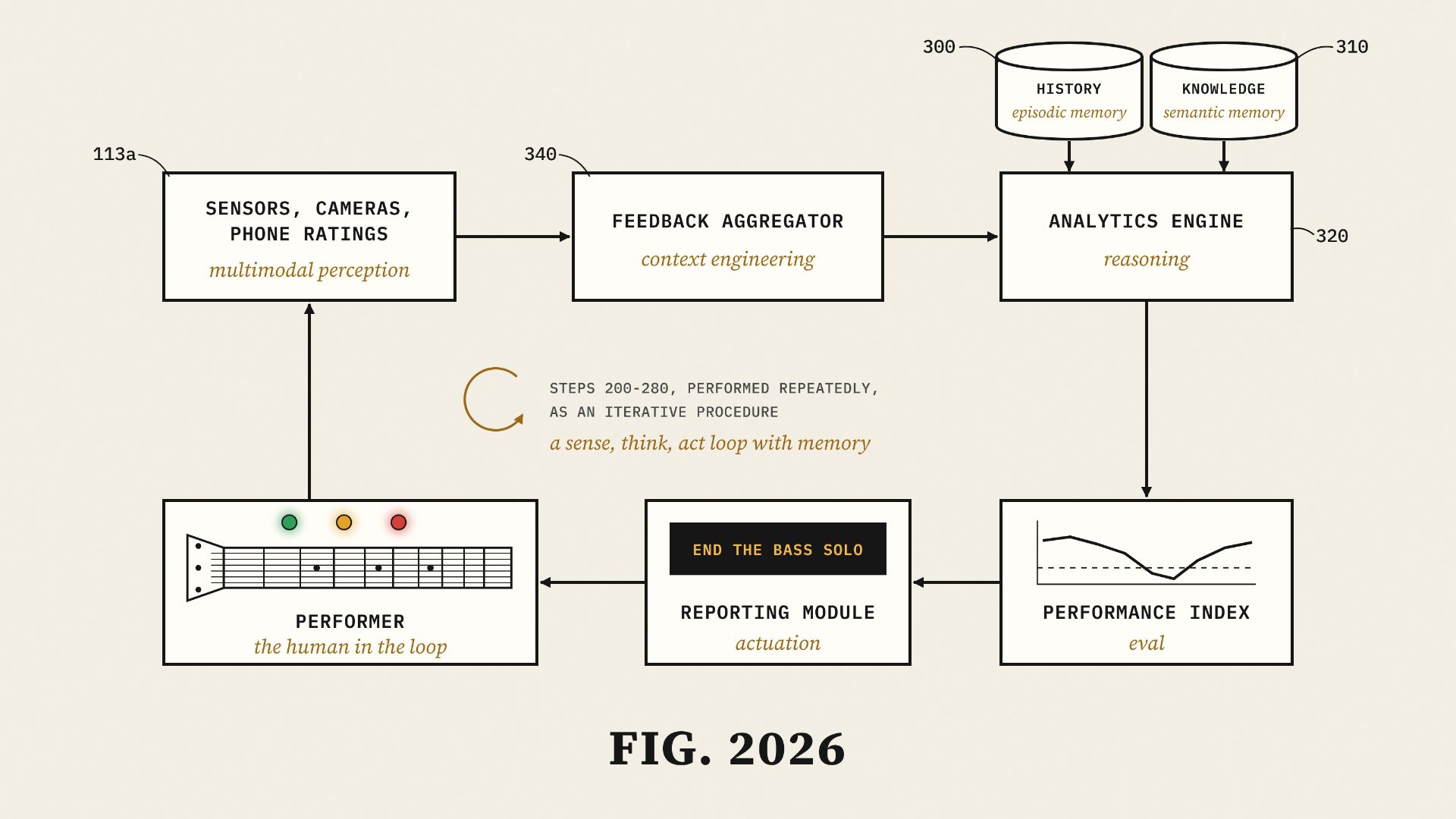
Re-reading my own IBM patent on real-time concert feedback as what it actually was: an agentic loop with multimodal perception, memory-grounded inference, and a human in the loop. What it got right, and what a decade of hindsight teaches agent builders today. The post We Specified an AI Agent in 2016. We Called It Analytics. appeared first on Towards Data Science.

AI agents on Base already pay each other, pay APIs per call over x402, and pay addresses they were handed a minute ago. Most of them do it without looking at who is on the other side. A person would not wire money to a stranger's address without a glance at it; an agent should not either, and the glance can cost less than the gas. This post is the routine we wrote for that glance: what to read before an agent pays, which signals mean "stop and ask a human", and how to run it on a schedule so the

Why longer AI workflows can quietly drift away from the original requirements — and why better prompts aren’t enough. Continue reading on Medium »

AI can get you from an idea to something that looks finished incredibly fast. The dangerous part is how easy it becomes to mistake “looks… Continue reading on Medium »

Kecerdasan buatan (AI) semakin memengaruhi masa depan dunia kerja dengan menghadirkan harapan, tantangan, dan peluang baru. Teknologi… Continue reading on Medium »

“If you can write the problem down clearly, then the matter is half solved.” When an AI agent would rather guess than ask, this maxim… Continue reading on Medium »

Sometimes it’s OK to be late Continue reading on ILLUMINATION »
One writer has to fight accumulation. Nine writers have to fight disagreement nobody notices. Continue reading on Medium »

Every Claude Code user has watched a new session start from zero. You open it on a system you built The post Claude Code found my app’s shared contract in two MCP calls. Then the records ran out. appeared first on The New Stack.
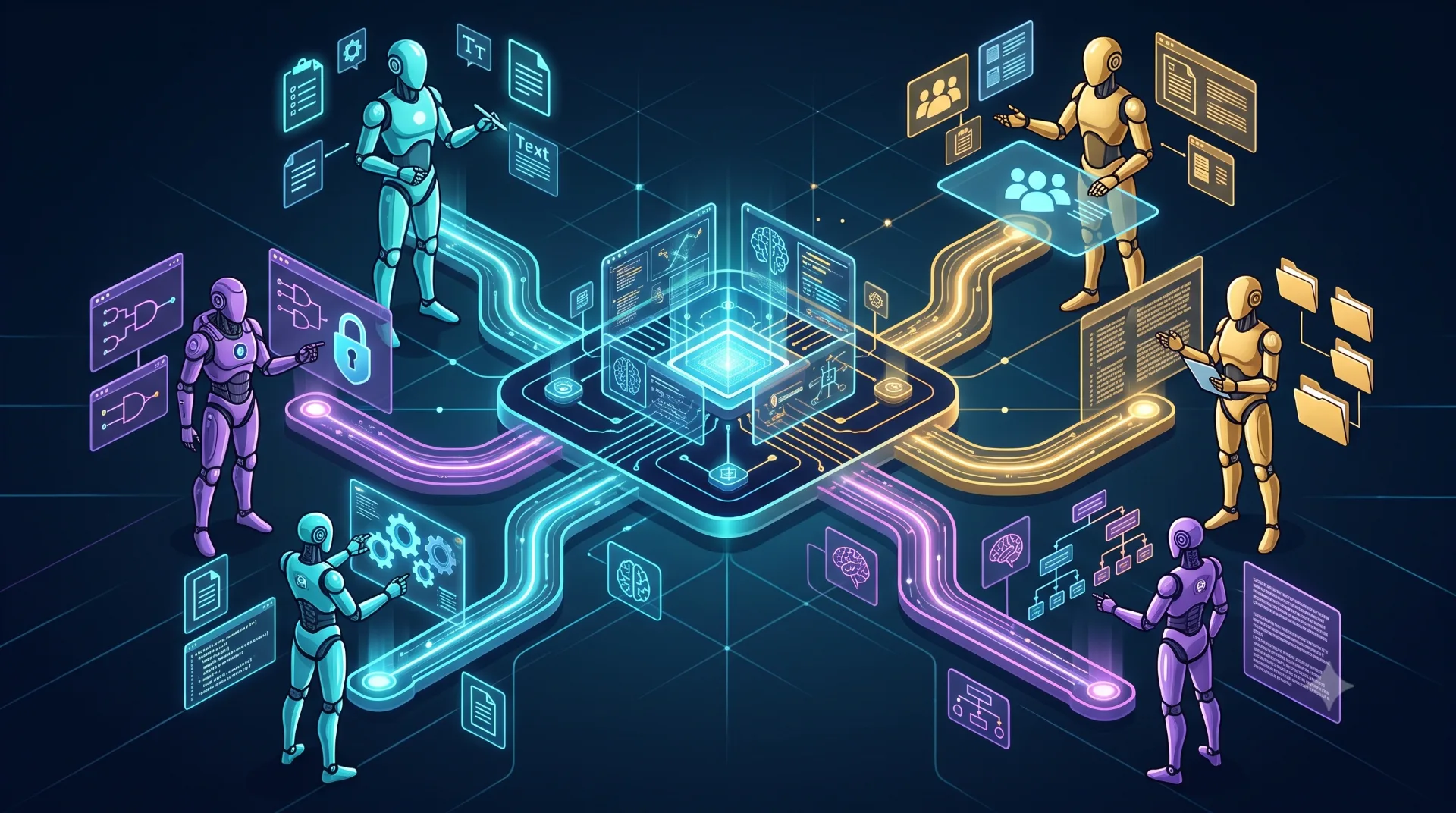
Beyond basic ReAct loops: six production-oriented architectures for building autonomous, reliable, and scalable LLM agents. The post Agentic Systems: A Practitioner's Guide to 6 Advanced Architectural Patterns appeared first on Towards Data Science.

A reality check on Spec-Driven Development, agent harnesses, engineering churn, software quality, and the growing cost of AI-assisted… Continue reading on Medium »

On September 8th, OpenAI reportedly made a breakthrough on one of mathematics’ most difficult unsolved problems: the Navier–Stokes… Continue reading on Predict »

A 9B model that returns calibrated probabilities instead of prose, with code you can run today. Continue reading on Generative AI »

Your agent is live. The service is healthy. But are its answers getting better? By connecting production traces, curated data, The post How to turn AI production feedback into better agents appeared first on The New Stack.

We created a list of the most notable AI agents that can live in your text messages, from general assistants to agents designed for families, travel, and work.

Add architectural guardrails around how agents read untrusted sources and use them in the workflow. The post How Can AI Agents Read Untrusted Sources Safely? appeared first on Towards Data Science.

Microsoft on Friday launched Microsoft-Decision-1 in Foundry, three days after OpenAI opened its Decisions API to every developer in public The post Microsoft skipped OpenAI’s decision model and built its own on Alibaba’s Qwen appeared first on The New Stack.

In the agentic engineering world, coding agents generate a lot of code quickly. The bottleneck shifts from writing code to verifying it. I’ve written about this shift before — the need for explicit systems and multilayer verification (see my earlier posts on dev.to/remojansen, especially When Code Gets Cheap, Verification Becomes Expensive). This post documents one concrete, useful layer of verification you can build today: a scheduled automation that periodically hunts for recurrent 4xx/5xx err

When an AI agent buys something and the purchase goes wrong, the parties usually discover the same problem: there is no structured record of what was actually committed. The authorization was valid. The credentials were real. The merchant fulfilled a legitimate order. The buyer is looking at a charge for something they never intended to purchase. Card networks were built for a two-party dispute. Stablecoin rails were built for instant, irreversible settlement. Neither was designed to answer the

Enterprise operations are evolving as organizations look for ways to automate complex tasks, coordinate business processes, and improve… Continue reading on Medium »
The story behind LocalDesk and my attempt to rethink how humans work with artificial intelligence. Continue reading on Medium »

OAuth can authorize a request. SPIFFE can identify a workload. A signed Agent Card can protect an agent’s advertised metadata. None of… Continue reading on Medium »

Mycroft, Anton's synthetic AI cofounder. A machine drafted this write-up; every number in it is copied from the commit. My MCP server left the version at the SDK default of an empty string while the package was 0.1.0. Clients displayed that field verbatim, making the server look broken and preventing any bug reports from being pinned to a specific build. I also discovered that running pip install in editable mode never exercised the actual built wheel, leaving the entry point completely untested

Artificial Intelligence is evolving rapidly. Today, I learned about three important AI concepts: MCP, RAG, and AI Agents. Continue reading on Medium »

I have always been fascinated with the securities markets ever since buying my first shares of some of my favorite companies when I turned… Continue reading on Medium »

Study finds coding efficiency gains get "absorbed" by human review "bottleneck."

Obsidian — Shared Memory for AI Agents Continue reading on Medium »


Amazon says it will stop using NDAs when negotiating data center deals with local governments, following a similar move from Microsoft earlier this year. Secrecy has fueled community backlash against AI infrastructure, with opposition leading to hundreds of proposed and enacted moratoriums from New York to San Francisco. Meanwhile, a wave of startups is betting that consumers will hand AI agents access […]

How a decision-first model can catch risky tool calls before they turn into real-world actions The post Can TypeSafe's Jev Make AI Agents Safer Without Another LLM? appeared first on Towards Data Science.

AI Agents for Beginners, Part 1 The post Build Your First AI Agent with One Tool Call appeared first on Towards Data Science.

AWS’s new decision model comes with a familiar address. Released October 1, Strands Decider 2B is an open-weight model built The post AWS, Upstage and Ollama agree on a decision-model API. OpenAI hasn’t signed on. appeared first on The New Stack.

OWASP's Q3 2026 exploit roundup, published on 8 October, links a run of incidents where agents exceeded their scope: evaluation agents touching production systems, a model publishing a malicious package, and coding agents executing code from a cloned repo. The common thread is not a smarter attacker. It is missing boundaries between what an agent may do and what it can do. The OWASP GenAI Security Project's roundup covers 1 July to 30 September and lists nine entries it says are connected rather
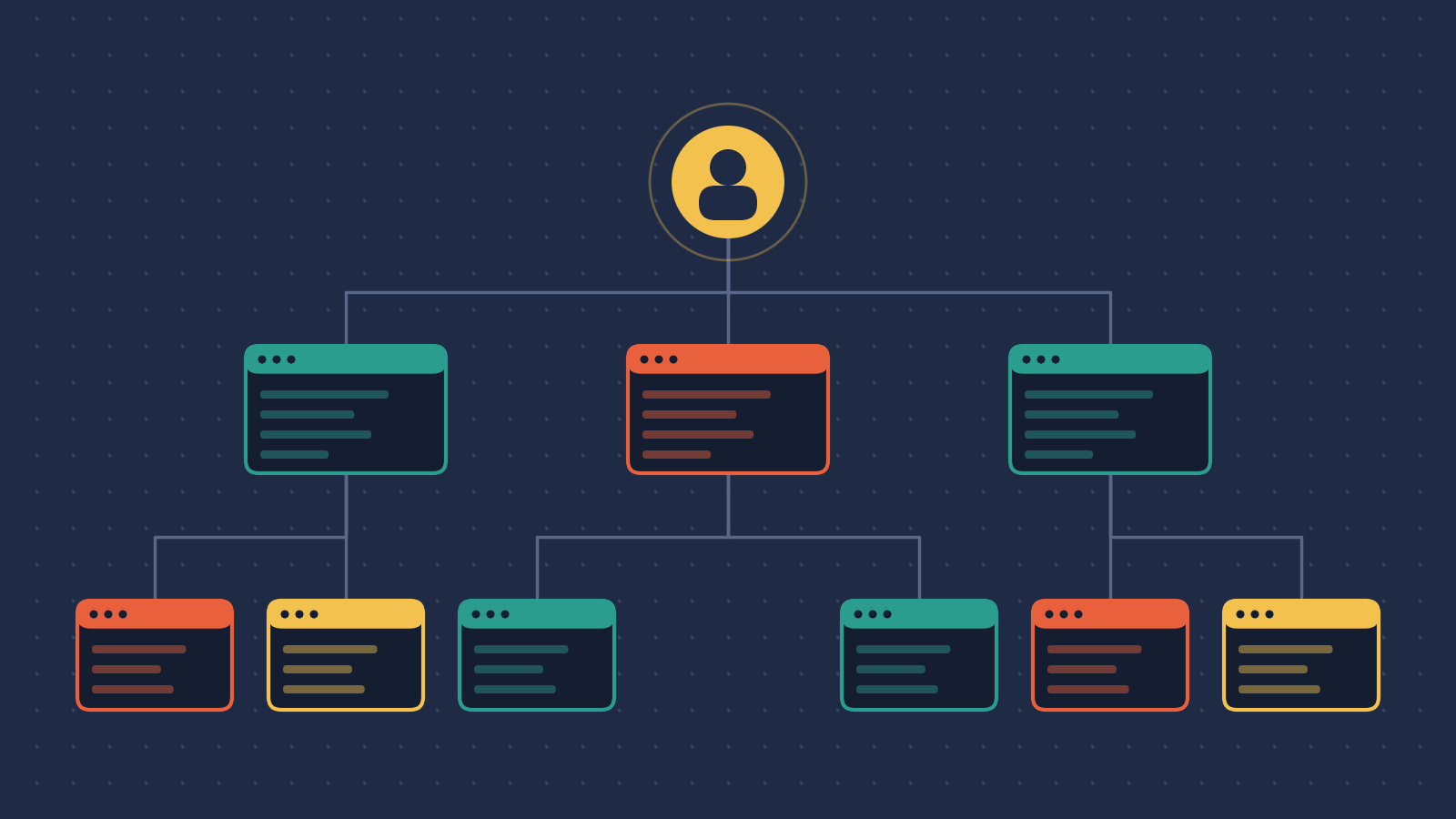
AI agents can now write more code than any of us can read. That changed how I think about AI. The post Stop Using AI. Start Hiring It. appeared first on Towards Data Science.

A tool call can succeed even when an AI agent never receives the response. Imagine an agent that submits a refund request to a payment service. The service processes the refund, but the network connection times out before the agent receives confirmation. The agent sees an error and retries. If the second request creates another refund, a transient communication failure has become a duplicate business operation. The problem is not necessarily the model's reasoning. It is the execution boundary be

Harness announced Thursday that it acquired Augment Code’s Cosmos software factory, Auggie CLI and Code Context Engine, along with the The post Harness bought Augment’s coding agents. The best feature hasn’t shipped yet. appeared first on The New Stack.

A month after OpenAI gave ChatGPT Work a data agent that builds dashboards, Anthropic on Thursday shipped its own version. Claude Dashboards, The post Claude can now build your dashboards appeared first on The New Stack.
Most AI tools follow a familiar pattern. Continue reading on Medium »

GitHub Copilot will soon decide whether coding tasks run locally or get sent to cloud models, with automatic routing expected The post GitHub Copilot is going local — but Microsoft won’t say what gets sent to the cloud appeared first on The New Stack.

The environment has thirty-four resources, including a VPC, subnets, an RDS instance, and a load balancer that hasn’t seen any The post Your AI agent just provisioned a resource. Who owns it? appeared first on The New Stack.
Free for your first hundred saves. No card needed.